Does My Pool Need New Tile or Plaster?
Does My Pool Need New Tile or Plaster?
Pool tile and plaster naturally change as they age, but rough surfaces, stubborn stains, calcium buildup, and visible deterioration can be signs that your pool needs more than routine cleaning. Knowing what to look for can help you determine whether the surface simply needs maintenance or if it's time to consider repair or resurfacing.
What Is the Difference Between Pool Tile and Plaster?
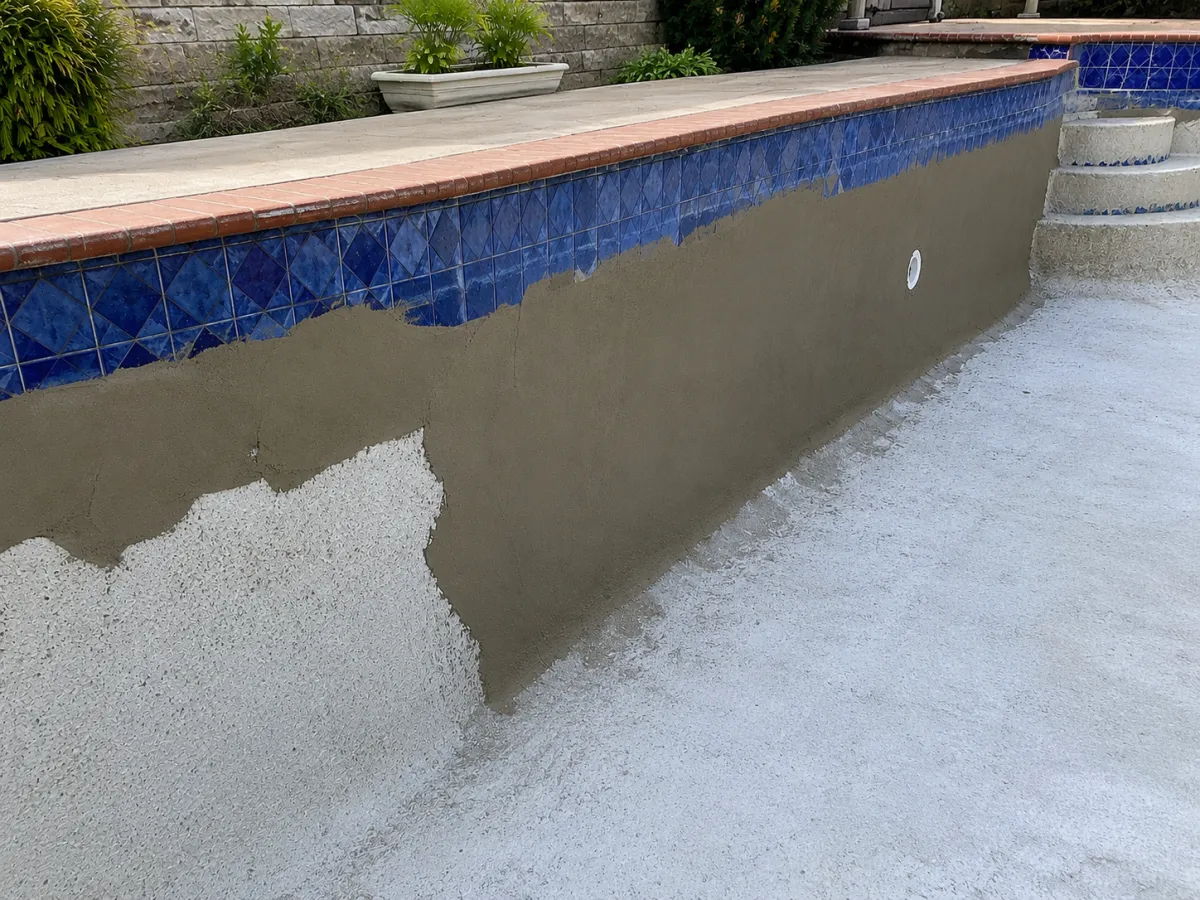
Pool tile is commonly found around the waterline, where it provides a durable surface and protects areas frequently exposed to changing water levels.
Pool plaster, on the other hand, covers the interior surface of the pool. It creates the smooth finish you see and feel beneath the water while protecting the pool shell underneath.
Because both are constantly exposed to water, chemicals, minerals, and changing temperatures, their condition can change over time.
Signs Your Pool Plaster Needs Attention
Not every stain or small imperfection means your pool needs to be replastered. However, there are some signs worth paying attention to:
Rough or pitted surfaces that are uncomfortable underfoot
Persistent stains or discoloration that don't improve with regular cleaning
Etching or deterioration of the pool's surface
Worn or uneven areas throughout the finish
An aging finish that has noticeably changed in appearance or texture
According to the National Plasterers Council, rough and pitted surfaces are among the reasons homeowners may consider resurfacing their pools.
What's the White Buildup on My Pool Tile?
If you've noticed a white, chalky substance forming around your pool's waterline, you may be looking at calcium scale.
This is especially relevant for Santa Clarita homeowners. SCV Water explains that naturally occurring calcium and magnesium contribute to hard water in parts of the Santa Clarita Valley.
When calcium levels and other aspects of pool chemistry aren't properly balanced, mineral deposits can accumulate on tile and other pool surfaces. Over time, that buildup can become increasingly noticeable and difficult to remove through ordinary cleaning.
What Causes Pool Plaster to Deteriorate?
Pool plaster doesn't deteriorate for just one reason. Its condition can be affected by:
Unbalanced pH
Improper alkalinity
Calcium hardness
Poor maintenance
Improper care after new plaster installation
Natural aging of the finish
Water chemistry is particularly important. Water that is too aggressive can contribute to etching and deterioration, while scale-forming conditions can leave mineral deposits and roughness behind.
Regularly monitoring your pool chemistry can help protect both the water and the surfaces surrounding it.
Does My Pool Need to Be Replastered?
A stain, small crack, or area of discoloration doesn't automatically mean the entire pool needs resurfacing. Some cosmetic changes are normal as cement-based finishes age, while other problems may indicate more significant deterioration.
The condition, age, and texture of the existing plaster, along with what's causing the damage, should all be considered before deciding whether cleaning, repair, or complete resurfacing is appropriate.
When Should You Call a Professional?
If your pool surface has become noticeably rough, calcium buildup keeps returning, tiles are deteriorating, or you're unsure whether the plaster can still be repaired, having it professionally inspected can help identify the underlying issue.
Not sure what your pool tile or plaster needs? Let us take a look. Our team can help determine the right next step to keep your Santa Clarita pool looking and performing its best.
